Description
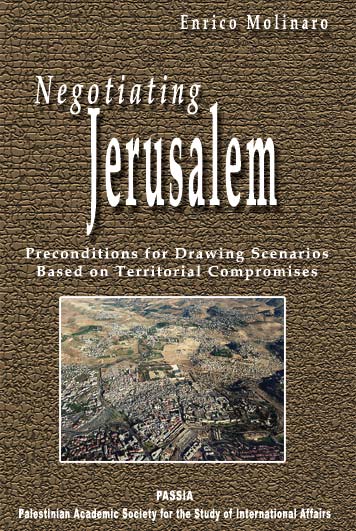
The author introduces and describes in detail two models of collective identity to explain why Israel and the PLO have decided to exclude from the framework of the interim peace agreements the discussion over the highly sensitive and strategic issue of Jerusalem until the beginning of the permanent status negotiations. The first model, the territorial/national approach, emphasizes the special importance of Jerusalem as the national capital for two warring parties. The second model follows a universalist-religious approach, stressing Jerusalem’s significance as a spiritual center for Christians, Jews and Muslims throughout the world. The author further discusses problems of terminology and suggests creative proposals for the negotiators.