Description
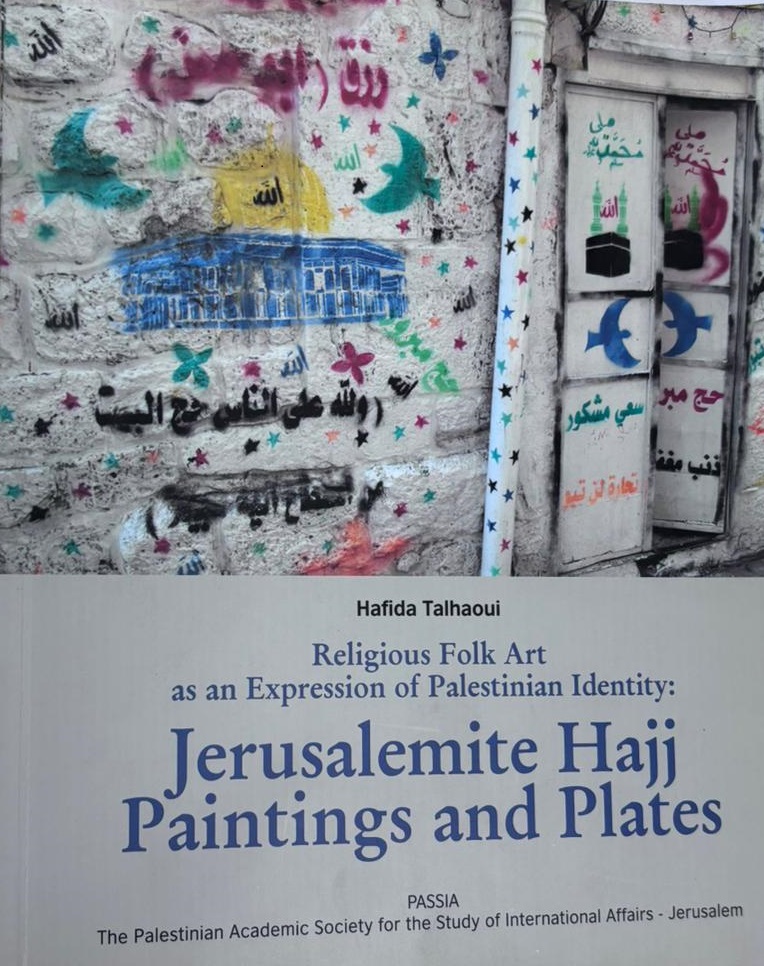
This book focuses on Ḥajj paintings of Jerusalem and aims at introducing this topic into the field of religious folk art. The guiding research question is: Can the Ḥajj paintings of Jerusalemites, which depict the Dome of the Rock and Al-Aqṣa Mosque in addition to the Kabah and Madinah Mosque, be interpreted as an expression of Palestinian identity? In answering this question, this publication is divided into four chapters. Chapter One describes the place of Jerusalem in the Islamic faith
from an Islamic point of view, illustrates how the place developed under Muslim rule and how the crusader occupation of Jerusalem influenced Palestinians.
Chapter Two discusses the Muslim pilgrimage, the Ḥajj, and the impact Jerusalem had on it. The last part of this chapter focuses on the Egyptian Ḥajj paintings.
Chapter Three deals with several issues relating to aspects of Palestinian identity and the role Jerusalem and foreign occupation played in this regard.
The last chapter addresses the Jerusalemite Ḥajj paintings based on fieldwork and interviews conducted in Jerusalem during the author’s visits.
In addition, this publication includes indexes and commentaries as well as an inventory of the epigraphs and figures used in the Ḥajj painting.